Natural Textures in Wall Decoration – 2026 Trends

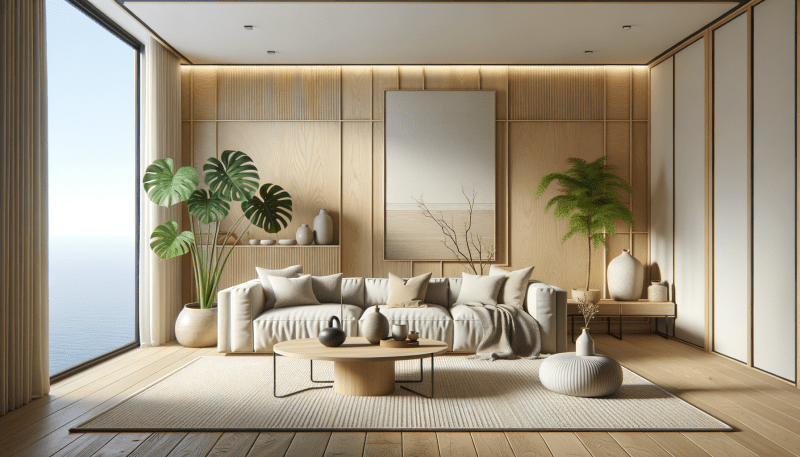
Walls are a canvas on which you tell the story of your interior. In 2026, this story speaks of a return to roots – to natural textures in wall decor, evoking tranquility, authenticity, and harmony with nature. Wood, stone, concrete, marble – these materials no longer need to physically adorn your walls. Carefully selected wood texture posters, graphics mimicking stone, or minimalist compositions inspired by Japanese aesthetics are enough.
In this guide, we will show you how to use natural textures to create a space that combines modernity with organic elegance. You will discover the color trends of 2026, interior styles based on natural materials, and practical ways to introduce these elements into any room – without renovation and without huge financial outlays.
What are natural textures and why do they dominate in 2026?
Natural textures refer to all surfaces and patterns that imitate or directly come from nature. The most popular include:
- Wood – from light oak to dark walnut, with visible grains and knots
- Stone – marble, travertine, sandstone, slate
- Concrete – raw, industrial, but increasingly warmed up
- Linen and natural fabrics – textures resembling canvas
- Clay and terrazzo – materials with rich, earthy textures
Pantone's color of the year for 2026 is Cloud Dancer – a creamy white with a warm undertone, which serves as an ideal base for natural textures. This is no coincidence. After years of dominance of cool grays and sterile whites, interiors are returning to warm, cozy tones. Cloud Dancer is a canvas on which earthy tones – beiges, terracottas, olives – can fully flourish.
Why now? The answer lies in the need for authenticity. After the pandemic, after years of remote work and digital saturation, we seek spaces that evoke nature, calmness, and genuineness. Synthetic materials and plastic decorations are giving way to textures we can almost feel – even if we only see them on a poster.
Wood texture – a timeless classic in a new edition
Wood has never really gone out of style, but in 2026 it is experiencing a true renaissance. However, we are not talking about heavy mahogany furniture from the '90s. The modern approach to wood is light, fresh, and diverse.
Laths and ribbed panels are a hit of recent years that continues into 2026. Vertical slats create depth and rhythm while acoustically dampening the room. The problem? Installing laths is a significant investment and an intrusion on the wall. The solution? Wood texture posters that visually replicate this effect without drilling and glue.
In the color palette of wood, we observe two poles:
- Light wood – bleached oak, ash, birch. Ideal for small spaces, where they brighten and visually enlarge the interior. They pair perfectly with Scandinavian and Japandi styles.
- Dark wood – walnut, smoked oak, rosewood. They add drama and elegance. They work well as an accent, e.g., a single wall or a large poster in the living room.
How to introduce wood texture through posters? Choose graphics that showcase close-ups of grains, natural cracks, or geometric patterns inspired by laths. Pairing them with natural wood frames will create a cohesive composition that adds warmth to the interior. Check out our living room posters, where you'll find many options featuring wood and nature motifs.
Stone and marble – elegance inspired by nature
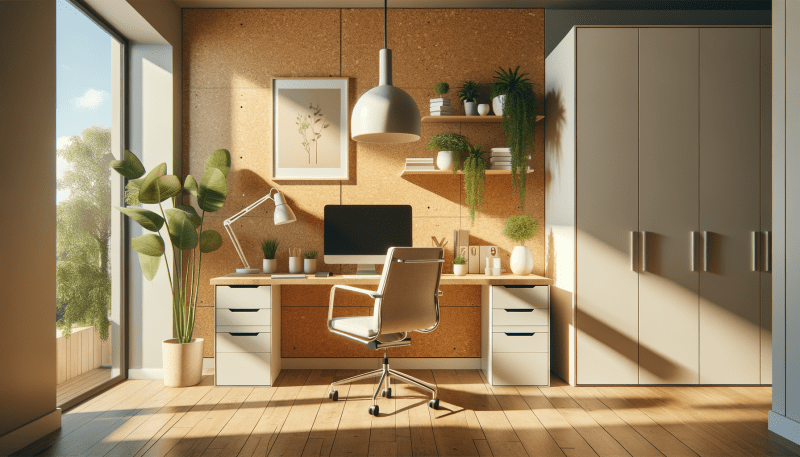
If wood represents warmth, then stone embodies noble coolness. But beware – marble in 2026 is not the icy white of Roman palaces. It features warmer shades, subtle veining, and less obvious choices.
Travertine is making a strong comeback. This porous stone with a creamy-beige hue fits perfectly into the warm minimalism 2026 trend. Its imperfections – tiny holes, irregular veins – add character and authenticity.
Concrete remains strong but warmed up. Concrete texture posters combine raw industriality with soft, organic forms. This is no longer the cold gray concrete of the 2010s – it’s concrete in taupe, sandy, and even pink shades.
Terrazzo – this composite of marble, glass, and stone fragments – is experiencing a revival. Colorful speckled patterns work well as accents, e.g., on one wall or in the form of a single poster.
Graphics mimicking stone are an excellent way to introduce this texture without an expensive renovation. A large poster featuring Calacatta marble or a minimalist composition with a travertine background can completely transform the character of a room. In our bedroom poster collection, you will find subdued options with stone motifs, perfect for a relaxation space.
Interior Styles Based on Natural Textures
Natural textures are not just individual elements – they are the foundation of entire interior styles that will dominate in 2026. Discover the three most important ones.
Japandi
Japandi posters combine the Japanese philosophy of wabi-sabi with Nordic minimalism. This style celebrates imperfection, simplicity, and natural materials.
Key features of Japandi:
- Limited color palette – whites, beiges, grays, blacks
- Natural materials – wood, linen, ceramics
- Functionality – every element has its place and purpose
- Empty space as a decorative element – don't be afraid to leave areas open
In wall decoration, Japandi is expressed through minimalist posters featuring organic forms, abstract compositions in earthy tones, or carefully selected individual graphics. Less is more – one large poster with a texture of linen or stone speaks volumes compared to a gallery of ten smaller pieces.
Warm Minimalism
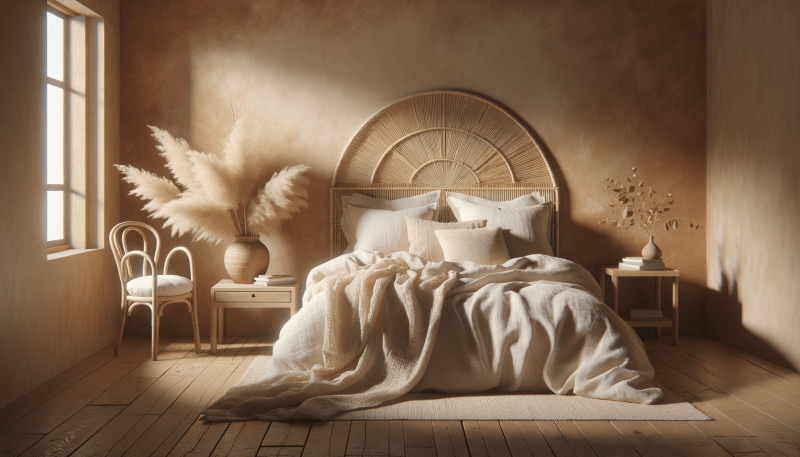
Warm minimalism 2026 is a response to the cool, almost sterile minimalism of previous years. It retains simplicity of form and a limited number of elements, but adds warmth through color and texture.
What distinguishes warm minimalism:
- Warm color palette – creamy whites, beiges, caramel browns
- Soft, rounded forms instead of sharp edges
- Layering of textures – a mix of wood, fabric, and stone
- Natural light as a decorative element
On the walls, warm minimalism is manifested through subtle, monochromatic posters with visible textures. This could be a close-up of wood grains, an abstract composition in sandy tones, or a graphic depicting natural stones. The key is restraint – one, at most two elements on the wall.
Organic Modern
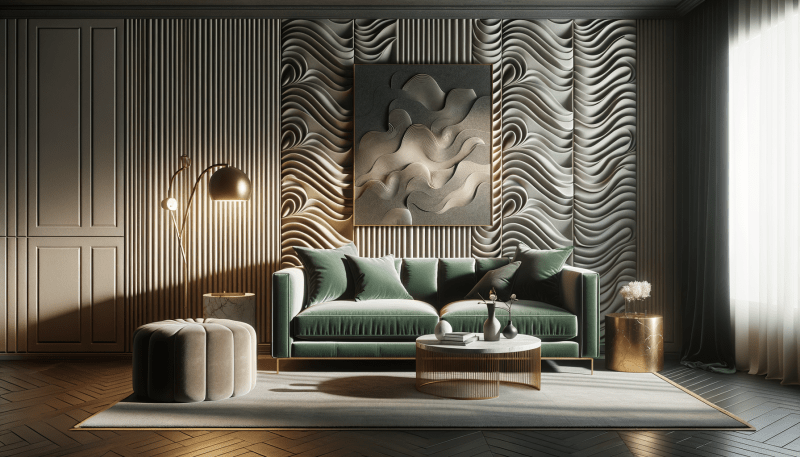
Organic modern wall decor is a style for those who want to blend contemporary design with organic, natural elements. It is a more eclectic approach than Japandi or warm minimalism.
Features of organic modern:
- Organic, flowing shapes – inspired by nature but transformed
- Diverse textures – a mix of wood, stone, metal, and fabrics
- Live plants as an integral part of the decor
- Contrasts – smooth surfaces alongside raw textures
In this style, you can allow for more. A gallery of posters with various textures – one featuring wood, another with abstract stone, and a third with a botanical graphic – will create a dynamic yet cohesive composition. Organic modern also appreciates boho posters with natural motifs and warm color schemes.
Color Palette of Natural Textures for 2026
Colors and textures go hand in hand. When choosing natural textures in wall decor, it's worth getting to know the palette that will dominate in 2026.
Cloud Dancer (Pantone 2026) – this is the base. A creamy, warm white that serves as the perfect backdrop for all natural textures. It is neither cold nor sterile. It provides space and freshness while maintaining coziness.
Earthy tones – earthy shades are the heart of the palette:
- Warm beige – the color of sand and raw clay
- Terracotta – rusty shades of brick and ceramics
- Olive – muted green reminiscent of dried herbs
- Mushroom – gray-beige tones, the color of dried mushrooms
- Caramel – warm brown that combines wood with comfort
Deep accents – for those who want to add drama:
- Forest green – deep forest green, perfect as an accent
- Rust – intense rust, a bold yet warm choice
- Charcoal – charcoal with a warm undertone, an alternative to black
- Deep burgundy – refined burgundy, elegant and cozy
Remember the 60-30-10 rule: 60% is the dominant color (base like Cloud Dancer), 30% is the complementary color (e.g., warm beige), and 10% is the accent (e.g., forest green). Your posters can serve as both a complementary color and an accent.
Natural Textures in Different Rooms
Each room has its own specifics and requires a different approach to natural textures. Here’s how to match them to specific spaces.
Living Room
The living room is the heart of the home and a place where you can allow for the boldest solutions. A large-format poster with a texture of wood or stone above the sofa will create a focal point for the entire room.
Proven solutions for the living room:
- Gallery of posters – a set of 3-5 graphics with natural textures in a cohesive tone
- Strong accent – one large poster (100x150 cm or larger) with a striking texture
- Combination with textiles – a poster with a linen texture + linen cushions on the sofa
In the living room, you can experiment with darker shades of wood and contrasting compositions. This is a representative space where natural textures can fully express themselves. Check out our living room posters collection for more inspiration.
Bedroom
In the bedroom, we focus on calm and relaxation. Natural textures should work to soothe, not stimulate.
The best textures for the bedroom:
- Light wood – birch, bleached oak, evoking Scandinavian tranquility
- Travertine and sandstone – muted stone shades, warm and relaxing
- Linen and cotton – graphics mimicking natural fabrics
Avoid intense contrasts and dark, dramatic textures in the bedroom. The poster above the bed should be the first thing you see in the morning – let it evoke nature and tranquility. Our bedroom posters are curated to create a relaxing oasis.
Kitchen and Dining Room
The kitchen is a place where natural textures have a special justification – they connect with the naturalness of food, cooking, and shared meals.
Ideal textures for the kitchen:
- Ceramics and terrazzo – a nod to dishes and countertops
- Warm wood – reminiscent of kitchen boards and tables
- Stone – elegant yet practical character
- Botanical motifs – herbs, fruits, vegetables in natural textures
In the dining room, a poster with a natural texture can serve as a backdrop for the table and create a cozy atmosphere for family meals. Check out our kitchen posters – you’ll find compositions that blend natural textures with culinary themes.
How to Introduce Natural Textures Without Renovating
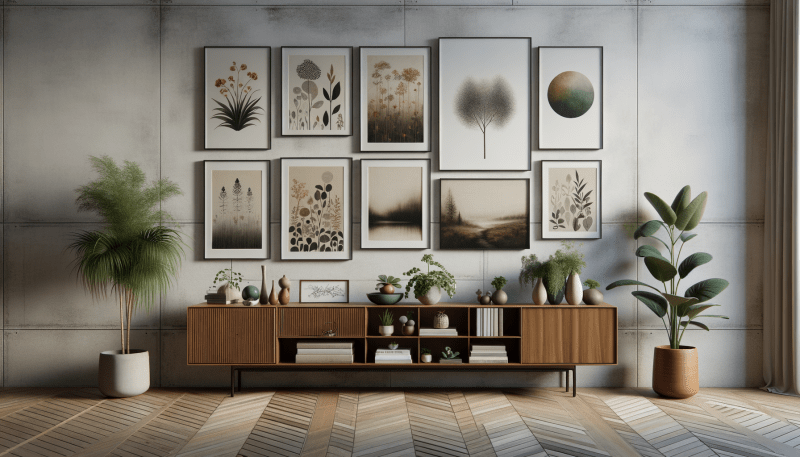
Not everyone has the option to cover their walls with real stone or install wooden panels. Fortunately, there are ways to introduce natural textures that do not require altering the structure of your home.
Textured posters are the simplest solution. Modern printing technology allows for the subtle nuances of texture to be captured – the grains of wood, the veins of marble, the porosity of concrete. Printing on high-quality paper with a slight texture (e.g., watercolor paper) further enhances the effect.
How to choose a textured poster:
- Pay attention to resolution – the texture should be clear even in large formats
- Choose the right size – a larger poster = a stronger texture effect
- Match the frame – natural wood will enhance the effect, while a metal frame adds modernity
- Consider a mat – a white mat separates the texture from the wall and adds elegance
Combinations with other elements amplify the effect of naturalness:
- Wood texture poster + wooden frames + wooden table under the gallery
- Linen texture graphic + linen curtains + cushions made of natural fabric
- Stone poster + ceramic vases + plants in a clay pot
Textiles are the second pillar of natural textures without renovation. Linen curtains, wool throws, cotton cushions – all of these harmonize with posters and create a cohesive composition based on natural materials.
Plants add vibrant texture. A monstera with large, glossy leaves, a fern with delicate texture, and pampas grass with fluffy plumes – each plant is a natural texture in its purest form.
Summary
Natural textures in wall decoration are much more than a passing trend. They respond to a deep need for a return to authenticity, tranquility, and harmony with nature. In 2026, this trend reaches peak popularity, supported by a warm color palette led by Cloud Dancer and interior styles such as Japandi, warm minimalism, and organic modern.
You don’t have to tear down walls or spend a fortune on natural materials. Textured wood posters, graphics mimicking stone, and compositions with concrete textures – all of these allow you to introduce natural textures in an accessible way. It just takes thoughtful selection, appropriate frames, and harmonious combinations with textiles and plants.
Start with one room. Choose the texture that speaks to you most – the warmth of wood, the elegance of stone, the raw character of concrete – and let it transform your space. Browse our living room posters and find the texture that will change your space. Natural textures are waiting.
Frequently Asked Questions (FAQ)
What natural textures will be trendy in 2026?
In 2026, warm shades of wood (oak, walnut), stone in beige and cream tones (travertine, sandstone), warmed concrete, and terrazzo will dominate. The key trend is a shift away from cool, sterile materials towards warm, organic textures. Pantone Cloud Dancer – creamy white – serves as the perfect base for all these textures.
What is the Japandi style and how can I incorporate it into my interior?
Japandi is a blend of the Japanese wabi-sabi philosophy (celebration of imperfection) and Nordic minimalism. It is characterized by a limited color palette (whites, beiges, grays), natural materials, and functionality. To incorporate Japandi into your interior, opt for minimalist posters with organic forms, natural wood, neutral textiles, and leave open space. Fewer elements, but carefully chosen.
How can I add natural textures to my interior without renovating?
The simplest way is to use posters with natural textures – wood, stone, concrete, or linen. Choose a large format for a stronger effect and match it with a wooden frame. Complement the composition with natural textiles (linen curtains, wool throws) and live plants. This combination will create the impression of natural materials without any alteration to the walls.
What colors go well with natural textures in the interior?
Earthy tones work best – warm beiges, terracottas, olive greens, gray-beige mushrooms, and caramel browns. The base should be creamy white (like Pantone Cloud Dancer 2026). The 60-30-10 rule: 60% dominant color (base), 30% complementary (e.g., beige), 10% accent (e.g., forest green or rust).
Are 3D panels still trendy in 2026?
Yes, 3D panels are still popular, but they are evolving. In 2026, organic, flowing patterns will dominate instead of geometric ones. Panels made from natural materials (wood, cork) and versions in warm shades instead of pure white are also popular. An alternative is posters that mimic the 3D effect, providing a similar visual impact without renovation.


