Natural Textures in Wall Decoration – 2026 Trends
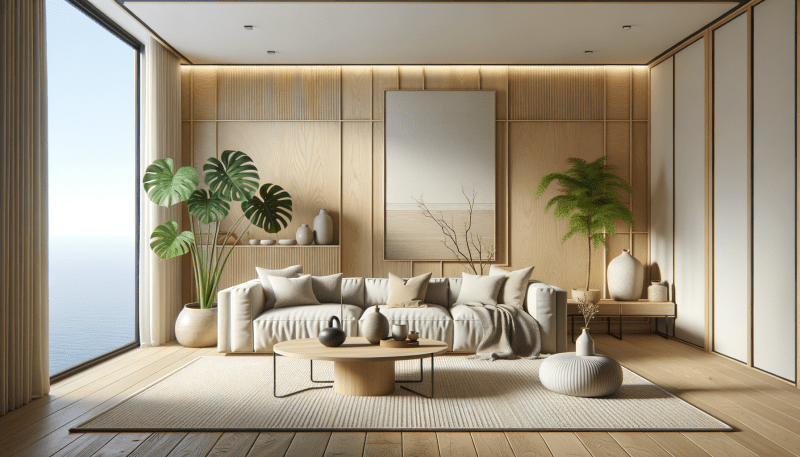
Walls are the canvas on which you tell the story of your interior. In 2026, that story speaks of a return to roots – to natural textures in wall decoration that evoke calm, authenticity and harmony with nature. Wood, stone, concrete, marble – these materials no longer need to physically adorn your walls. Carefully chosen wood-textured posters, stone-imitating graphics or minimalist compositions inspired by Japanese aesthetics are all you need.
In this guide, we'll show you how to use natural textures to create spaces that blend modernity with organic elegance. You'll discover the 2026 colour trends, interior styles based on natural materials and practical ways to introduce these elements into any room – without renovation and without breaking the bank.
What Are Natural Textures and Why Do They Dominate in 2026?
Natural textures are any surfaces and patterns that mimic or directly originate from nature. The most popular include:
- Wood – from light oak to dark walnut, with visible grain and knots
- Stone – marble, travertine, sandstone, slate
- Concrete – raw, industrial, but increasingly warmed up
- Linen and natural fabrics – canvas-like structures
- Clay and terrazzo – materials with rich, earthy texture
Pantone chose Cloud Dancer for 2026 – a creamy white with a warm undertone that serves as the ideal base for natural textures. This is no coincidence. After years of cool greys and sterile whites dominating interiors, we're returning to warm, cosy tones. Cloud Dancer is the canvas on which earthy tone interiors – beiges, terracottas, olives – can fully flourish.
Wood Texture – A Timeless Classic Reimagined
Wood never truly went out of fashion, but in 2026 it's experiencing a true renaissance. We're not talking about heavy mahogany furniture from the 1990s, though. The modern approach to wood is light, fresh and diverse.
Fluted panels and slats have been a hit in recent years, continuing into 2026. Vertical strips create depth and rhythm while acoustically dampening the room. The challenge? Installing slats is a serious investment and involves wall modification. The solution? Wood-textured posters that visually capture this effect without drilling or glue.
In the wood colour range, we see two poles:
- Light wood – bleached oak, ash, birch. Ideal for small spaces, where they brighten and visually enlarge the interior. They pair beautifully with Scandinavian and japandi styles.
- Dark wood – walnut, smoked oak, rosewood. They add drama and elegance. They work as accents, e.g. a single wall or a large poster in the living room.
Browse our living room posters, where you'll find many options with wood and nature motifs.
Stone and Marble – Nature-Inspired Elegance
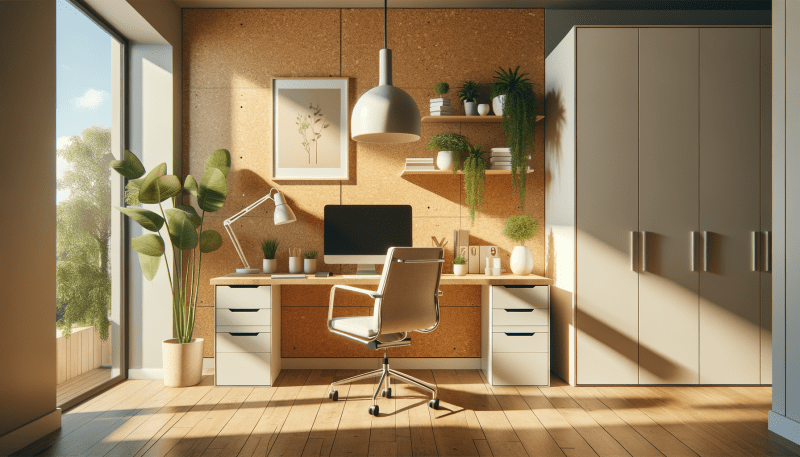
If wood is warmth, stone is noble coolness. But note – 2026 marble isn't the icy white of Roman palaces. It's warmer shades, subtle veining and less obvious choices.
Travertine is back with a bang. This porous stone in creamy-beige tones fits perfectly into the warm minimalism 2026 trend. Its imperfections – tiny holes, irregular veins – add character and authenticity.
Concrete remains strong but warmed up. Concrete-textured posters combine raw industrialism with soft, organic forms. This is no longer the grey, cold concrete of the 2010s – it's concrete in taupe, sandy, even pink shades.
Terrazzo – this composite of marble, glass and stone fragments – is experiencing a second youth. Colourful speckled patterns work perfectly as an accent.
Browse our bedroom posters for calm stone-motif options, ideal for your rest space.
Interior Styles Based on Natural Textures
Japandi
Japandi posters combine Japanese wabi-sabi philosophy with Nordic minimalism. It's a style that celebrates imperfection, simplicity and natural materials.
Key japandi features:
- Limited colour palette – whites, beiges, greys, black
- Natural materials – wood, linen, ceramics
- Functionality – every element has its place and purpose
- Emptiness as a decorative element – don't be afraid to leave free space
Warm Minimalism
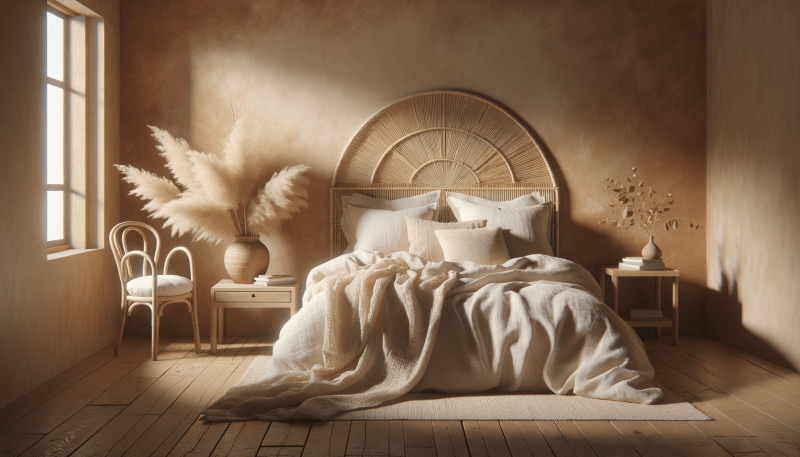
Warm minimalism 2026 is the answer to the cold, almost sterile minimalism of previous years. It maintains simplicity of form and limited elements while adding warmth through colour and texture.
Organic Modern
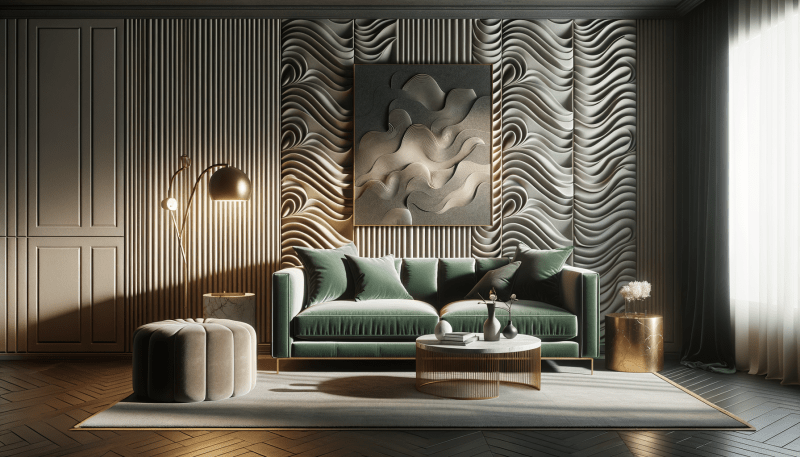
Organic modern wall decorations suit those who want to blend contemporary design with organic, natural elements. It's a more eclectic approach than japandi or warm minimalism.
In this style, you can allow yourself more. A gallery of posters with various textures creates a dynamic yet cohesive composition. Organic modern also loves boho posters with natural motifs and warm colours.
2026 Natural Texture Colour Palette
Cloud Dancer (Pantone 2026) – the base. A creamy, warm white that serves as the ideal backdrop for all natural textures.
Earthy tones – the palette's heart:
- Warm beige – sand and raw clay colour
- Terracotta – rusty brick and ceramic shades
- Olive – muted green, reminiscent of dried herbs
- Mushroom – grey-beige tones
- Caramel – warm brown, connecting wood with comfort
Deep accents:
- Forest green – deep forest green, excellent as an accent
- Rust – intense rust, bold but warm
- Charcoal – anthracite with warm undertone, alternative to black
- Deep burgundy – refined, elegant and cosy
Remember the 60-30-10 rule: 60% dominant colour (base like Cloud Dancer), 30% complementary (e.g. warm beige), 10% accent (e.g. forest green).
Natural Textures in Different Rooms
Living Room
The living room is the heart of the home where you can be boldest. A large-format poster with wood or stone texture above the sofa creates a focal point for the entire room. Browse our living room posters for more inspiration.
Bedroom
In the bedroom, we focus on calm and relaxation. Natural textures should be soothing, not stimulating. Our bedroom posters are selected with creating a relaxation oasis in mind.
Kitchen and Dining Room
The kitchen is where natural textures have special justification – they connect with the naturalness of food, cooking and shared meals. Browse our kitchen posters.
How to Introduce Natural Textures Without Renovation
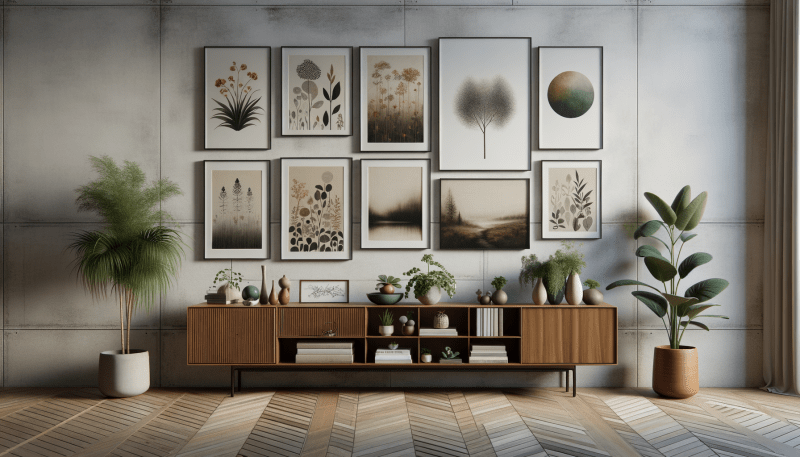
Not everyone can clad walls in real stone or install wooden panels. Fortunately, there are ways to introduce natural textures that don't require structural modifications.
Textured posters are the simplest solution. Modern printing technology captures the subtle nuances of texture – wood grain, marble veining, concrete porosity.
Textiles are the second pillar. Linen curtains, wool throws, cotton cushions – all complement posters and create a cohesive natural-material composition.
Plants add living texture. Monstera with large, glossy leaves, fern with delicate texture, pampas grass with fluffy plumes – each plant is natural texture in its purest form.
Summary
Natural textures in wall decoration are far more than a passing fashion. They're the answer to a deep need for authenticity, calm and harmony with nature. In 2026, this tendency reaches peak popularity, supported by the warm colour palette led by Cloud Dancer and interior styles like japandi, warm minimalism and organic modern.
Frequently Asked Questions (FAQ)
What natural textures will be trendy in 2026?
In 2026, warm wood tones (oak, walnut), stone in beige and cream shades (travertine, sandstone), warmed concrete and terrazzo will dominate. The key trend is moving away from cold, sterile materials towards warm, organic textures.
What is japandi style and how to introduce it?
Japandi blends Japanese wabi-sabi philosophy (celebrating imperfection) with Nordic minimalism. It features a limited colour palette, natural materials and functionality. Choose minimalist posters with organic forms, natural wood and neutral textiles.
How to add natural textures without renovation?
The simplest way is posters with natural textures – wood, stone, concrete or linen. Choose a large format for stronger effect and match with a wooden frame. Complement with natural textiles and live plants.
What colours suit natural textures in interiors?
Earthy tones work best – warm beiges, terracottas, olive greens, grey-beige mushroom and caramel browns. The base should be creamy white (like Pantone Cloud Dancer 2026).
Are 3D panels still trendy in 2026?
Yes, 3D panels remain popular but are evolving. In 2026, organic, flowing patterns dominate instead of geometric ones. Natural-material panels (wood, cork) and warm-toned versions are also popular.


