Warm Minimalism 2026 – Complete Style Guide

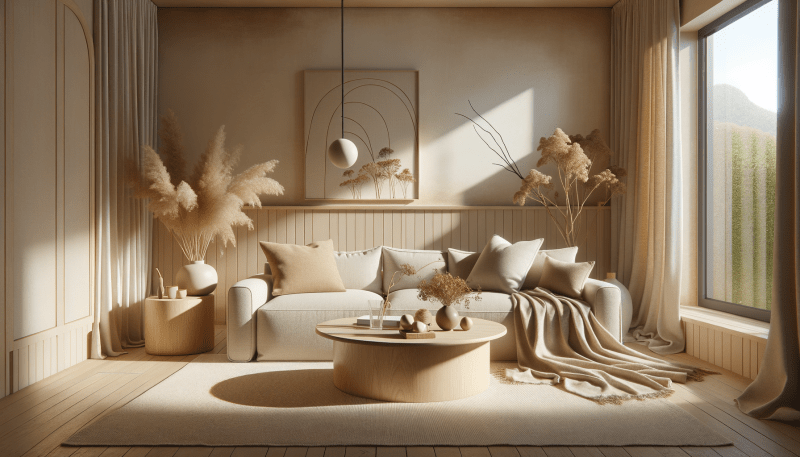
The year 2026 brings a fundamental shift in interior design – we are moving away from cold, sterile minimalism towards warm minimalism, which combines order and functionality with coziness and naturalness. This is not a fleeting trend, but a profound transformation in how we perceive our homes – as sanctuaries that support mental and physical well-being.
In this guide, you will learn everything about warm minimalism: key elements of the style, the 2026 color palette led by Cloud Dancer, the best materials, wall decorations, and practical tips for implementation – without a major renovation.
What is warm minimalism and why is it dominating in 2026?
Warm minimalism is an evolution of classic minimalism that retains its fundamental principles – reduction, functionality, and order – but adds elements of comfort, coziness, and a connection to nature. It is a response to years of dominance of cold minimalism with its white walls, chrome accents, and clinical interiors.
After the pandemic, following years of remote work and digital overload, people desire homes that support regeneration, relaxation, and emotional security. Warm minimalism emerged as a compromise between minimalist order and maximalist coziness.
Warm vs Cold Minimalism – Key Differences
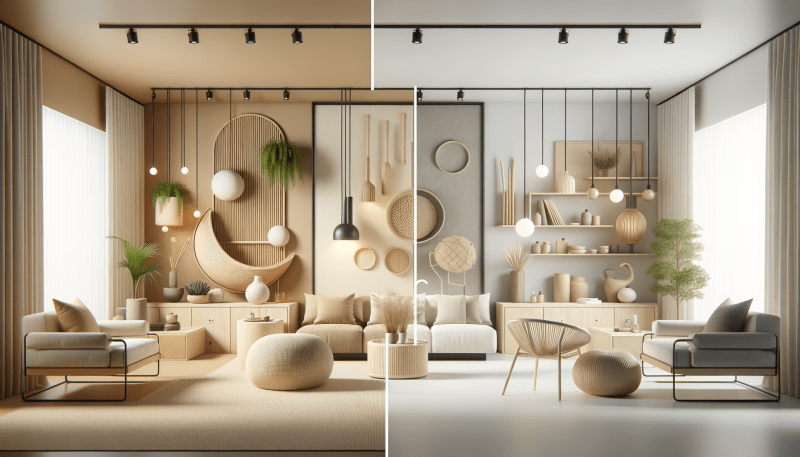
| Aspect | Cold Minimalism | Warm Minimalism |
|---|---|---|
| Colors | Pure white, cool grays, black | Cloud Dancer, beiges, terracotta, olive |
| Materials | Chrome, glass, concrete, plastic | Wood, linen, wool, stone, rattan |
| Forms | Sharp angles, geometric shapes | Curves, organic lines |
| Lighting | Cold LEDs (5000-6500K), harsh | Warm (2700-3000K), layered |
| Atmosphere | Sterile, clinical, distant | Cozy, soothing, homely |
5 Key Elements of Warm Minimalism
1. Less, but Better
The number of items remains limited, but each one is carefully selected, high-quality, and functional.
2. Layering and Visual Depth
Different textures, materials, and shades overlap, creating visual richness without noise.
3. Organic Forms
Sharp angles give way to curves, arches, and flowing shapes.
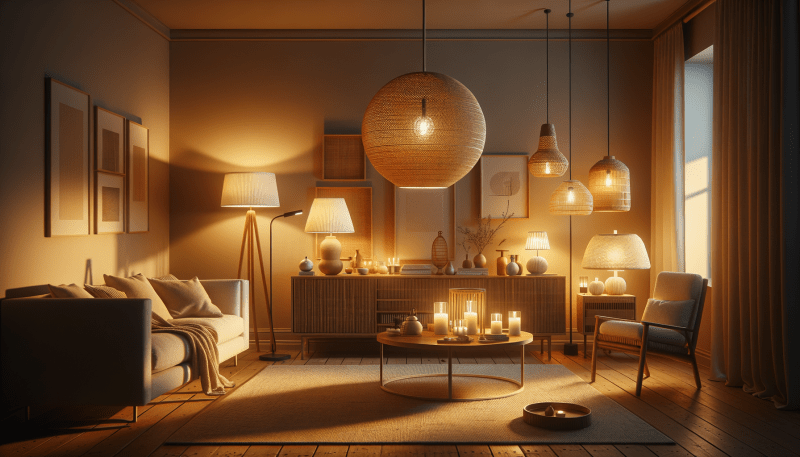
4. Layered Lighting
Multiple light sources placed at different heights, with a warm hue (2700-3000K).
5. Connection with Nature
Biophilia – the intentional introduction of natural elements through plants and natural materials.
Color Palette of Warm Minimalism 2026
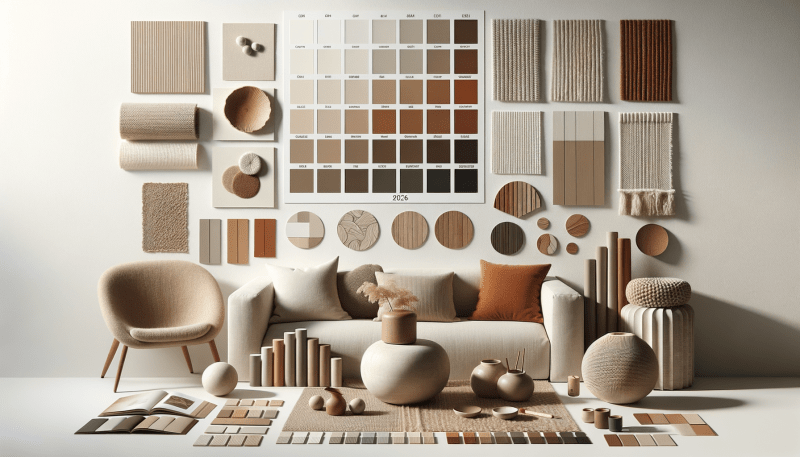
Cloud Dancer (Pantone 2026) – color of the year. A subtle, soft shade of light white with a delicate hint of warmth.
Warm Neutrals: warm beige, terracotta, mushroom beige, caramel, olive
Deep Accents: forest green, rust, deep burgundy, navy
Materials in Warm Minimalism
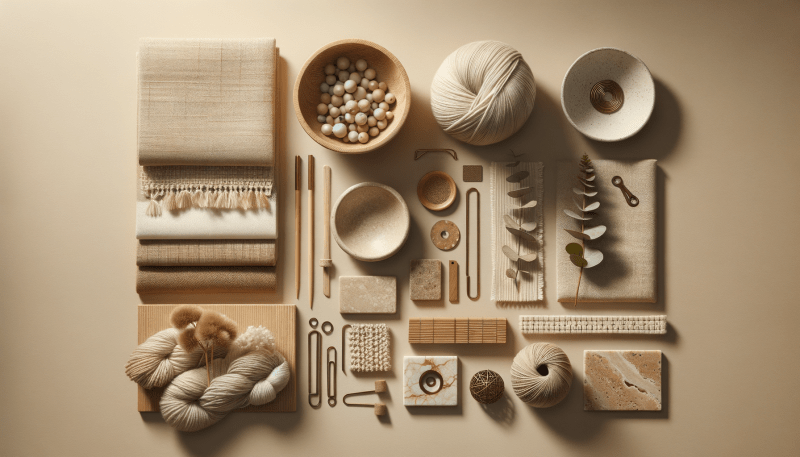
Materials are one of the most important features of warm minimalism: natural wood, matte stone, natural fabrics (linen, wool, cotton), rattan and wicker, artisanal ceramics, matte metal.
Bedroom in Warm Minimalism Style
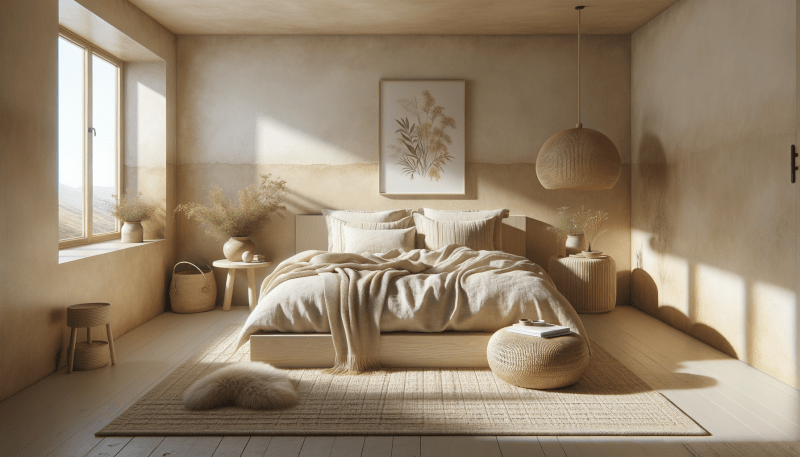
A bedroom in warm minimalism is a private sanctuary designed for sleep, relaxation, and regeneration.
Check out our bedroom posters.
Wall Decorations in Warm Minimalism Style
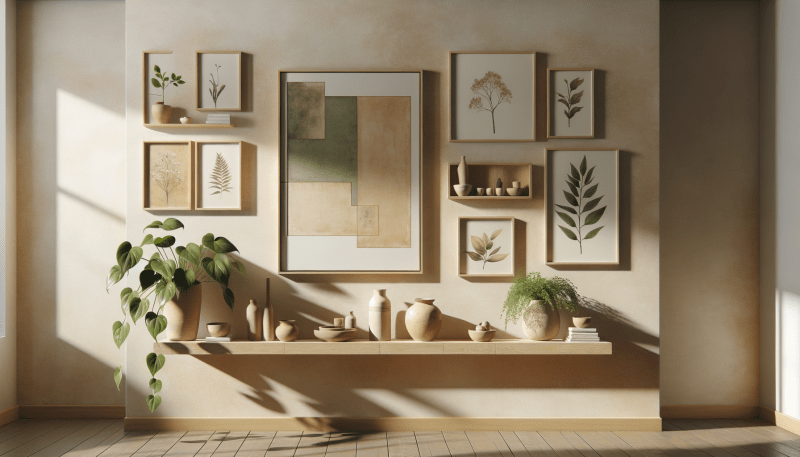
A wall in minimalist style is not just a backdrop, but an active participant in the composition.
Check out our living room posters or ready-made gallery sets to create a wall gallery.
How to Implement Warm Minimalism Without Renovation
- Change Textiles – new cushions, throws, bedding
- Add Layered Lighting – lamps with a warm hue
- Introduce Natural Materials – wooden frames, ceramic vases
- Paint One Wall – accent wall in warm beige
- Add Plants – monstera, sansevieria in a clay pot
- Hang Posters – minimalist graphics in wooden frames, e.g., ready-to-hang posters
Explore our boho posters and kitchen posters.
Summary
Warm minimalism in 2026 represents a fundamental change in how we design our homes. It is a style that understands that luxury means intentionality, quality, and emotional comfort. See minimalist posters and start building your warm, minimalist space.
Frequently Asked Questions (FAQ)
What is warm minimalism?
Warm minimalism is an evolution of classic minimalism that combines order and functionality with coziness, natural materials, and a warm color palette.
What is the Pantone Color of the Year 2026?
Cloud Dancer (11-4201) – a subtle, soft shade of light white with a gentle hint of warmth.
What materials are typical for warm minimalism?
Natural wood, matte stone, linen, wool, cotton, rattan, artisanal ceramics, and matte-finished metal.
How does warm minimalism differ from Japandi?
Japandi is more philosophical and zen. Warm minimalism is more accessible and allows for greater personalization.
Does warm minimalism require a large budget?
No! You can gradually introduce warm minimalism by changing textiles, adding plants, and hanging posters.


